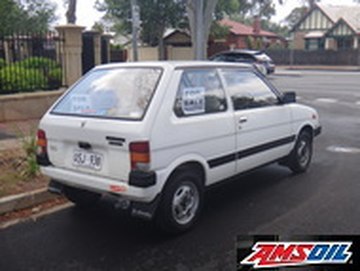
Engine Lubrication and Maintenance for the 1982 Subaru HATCHBACK 1.8L
Maintaining the mechanical integrity of a vehicle from the early 1980s requires a proactive approach to fluid management and component inspection. For the 1982 Subaru HATCHBACK equipped with the 1.8L EA81 engine, consistent attention to lubrication is a fundamental aspect of long-term ownership. Because older engines operate under different thermal and mechanical stresses than modern counterparts, understanding how to monitor and service your lubrication system is essential for preventing unnecessary wear.
Monitoring Fluid Condition and Potential Leaks
One of the most effective ways to assess the health of an engine is through regular visual inspections. For a vehicle of this age, checking for signs of fluid seepage or leakage can provide early indications of where maintenance may be required. When performing routine checks, look closely at the areas surrounding various gaskets and seals. While some degree of very light seepage can occur as materials age, any active dripping or significant wetness on engine components warrants closer investigation.
If you notice oil accumulating in unexpected areas, it is important to identify the source rather than simply adding more fluid. A buildup of oil on the exterior of the engine may indicate that a seal or gasket is no longer providing an effective barrier. Additionally, pay attention to the appearance of the lubricant itself when checking levels. If the oil appears excessively dark, gritty, or contains visible contaminants, it may be time to prioritize a service interval to ensure the fluid is still performing its intended role in reducing friction and managing heat.
Observing Changes in Engine Operation
Beyond visual inspections of the engine bay, an owner should remain attentive to how the vehicle behaves during operation. Changes in mechanical sounds or performance can often be linked to the lubrication state. For example, if you notice unusual noises that were not previously present, it could be associated with changes in fluid viscosity or levels. While many factors can cause unexpected sounds, monitoring these changes allows for more informed discussions with a technician.
It is also useful to monitor any changes in exhaust characteristics. While certain symptoms can have multiple underlying causes, an unusual odor or change in exhaust appearance should be investigated promptly. Furthermore, if you notice that the vehicle requires more frequent top-offs of its fluids than it previously did, this is a clear signal to inspect the system for leaks or potential consumption issues. Documenting these observations helps establish a pattern that can assist in diagnosing whether a component needs attention.
Prioritizing Maintenance Based on Current Condition
When managing an older vehicle like the 1982 Subaru HATCHBACK, it is often more practical to prioritize maintenance based on the actual condition of the components rather than relying solely on the age of the car. Every vehicle has a unique history; some may have been meticulously maintained for decades, while others may show signs of varying levels of care. Establishing a baseline of the current mechanical state is the first step in an effective service strategy.
If you are unsure of the previous service history, start by reviewing all accessible records and performing a thorough inspection of all fluids and belts. If equipped, inspect any visible drive belts for signs of cracking, glazing, or fraying. Similarly, if present, check the condition of various hoses to ensure they remain pliable and free of leaks. By addressing active concerns—such as a small leak or an aging belt—before they escalate into larger mechanical issues, you can manage maintenance costs more effectively over the long term.
The Role of Lubrication in Engine Longevity
Engine oil serves several vital purposes that extend beyond simple lubrication. It acts as a medium for heat management, helping to carry thermal energy away from high-friction areas within the engine block. Furthermore, modern lubricant formulations are designed with additives that assist in deposit control, helping to prevent the buildup of sludge and other contaminants that can interfere with mechanical movement.
Maintaining clean and fresh oil is critical for ensuring that these protective qualities remain active. As oil undergoes thermal cycles, it can eventually lose its ability to effectively manage oxidation and resist contamination. Regular service ensures that the lubricant continues to provide a consistent film between moving parts, which is essential for minimizing friction and supporting the overall longevity of the 1.8L engine.
Managing Maintenance Records for Long-Term Ownership
For owners looking to maintain their Subaru over many years, keeping a detailed service log is highly beneficial. A record that includes the dates of oil changes, the types of filters used, and any repairs performed provides a clear picture of the vehicle's maintenance trajectory. This documentation is particularly useful when attempting to establish a baseline for a vehicle with an unknown history.
Having a written history allows you to distinguish between routine preventive maintenance and necessary repairs. It also helps in identifying trends, such as whether a specific component is requiring more frequent attention than expected. Whether you use a digital spreadsheet or a physical notebook, consistent record-keeping transforms maintenance from a reactive task into a structured part of vehicle ownership.
Practical Guidance for Buying Engine Oil for the 1982 Subaru HATCHBACK 1.8L
When it is time to replenish your engine's lubricant, the most important step is to ensure the product matches the specific requirements of your application. Rather than relying on general assumptions about older engines, you should always match the engine oil to the application-specific viscosity information already displayed on this webpage.
When selecting a product, consider the following practical steps:
- Verify Labeling: Always check the product packaging to ensure the SAE viscosity and API service classifications align with the information provided for your specific 1.8L engine.
- Evaluate Formulations: Depending on your needs, you may choose between conventional, synthetic blend, or full synthetic oils. Some high-mileage oil formulations also contain additives intended for use in aging engines, including seal-conditioning additives.
- Check Quality Standards: Ensure the oil meets current industry standards for quality and performance to provide the best possible protection against oxidation and deposits.
By following the specific application data provided on this page, you can ensure that your 1982 Subaru HATCHBACK receives the correct lubrication required for its engine design.